Beginner’s Guide to Baking from Scratch
This beginner’s guide covers everything you need to know to get started with baking from scratch.
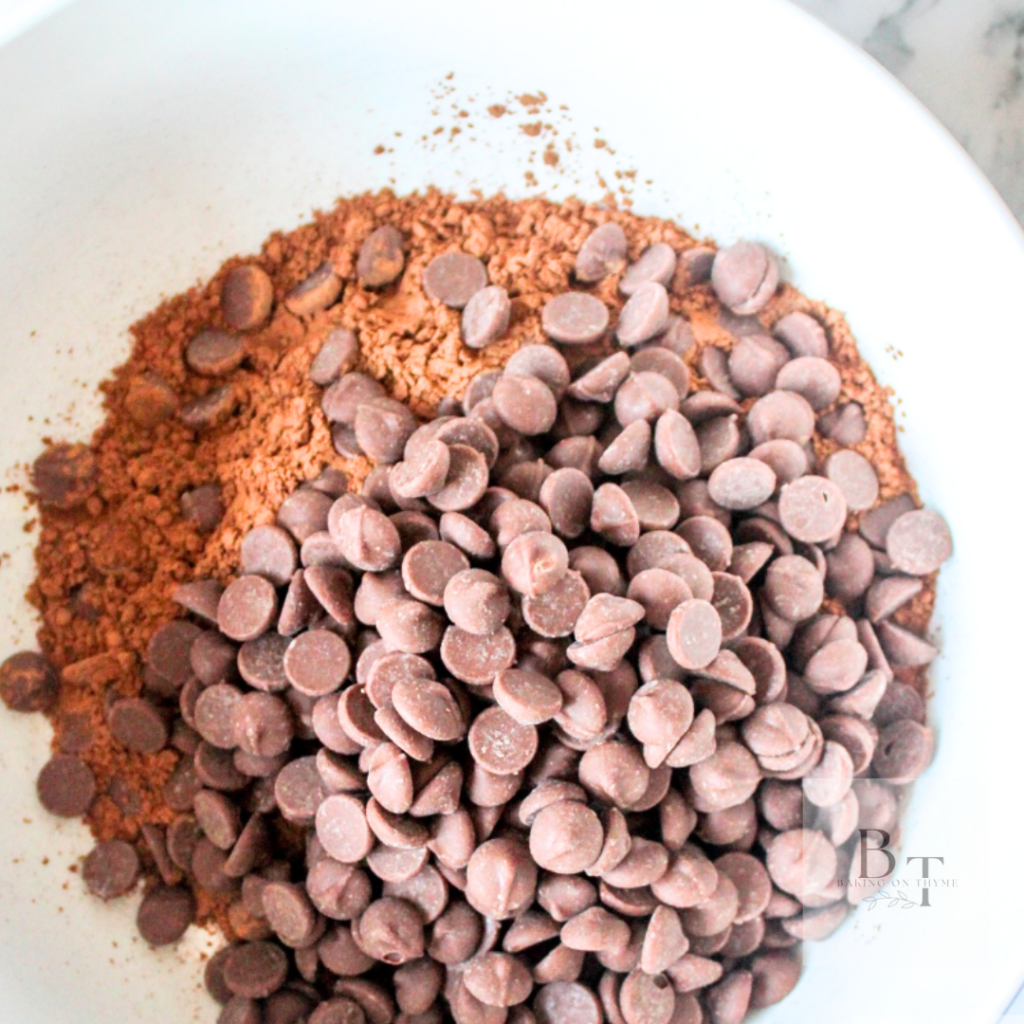
There’s something incredibly rewarding about baking from scratch. Whether you’re mixing cookie dough, baking your first loaf of bread, or pulling a homemade cake out of the oven, creating delicious treats from simple ingredients is both fun and satisfying.
If you’re new to baking, don’t worry—it doesn’t have to be intimidating. With a few basic ingredients, the right tools, and some simple techniques, you’ll be baking with confidence in no time.
What Does “Baking from Scratch” Mean?
Baking from scratch means making baked goods using individual ingredients rather than relying on boxed mixes or pre-made doughs. Instead of opening a package, you’ll combine ingredients like flour, sugar, butter, eggs, baking powder, and vanilla to create your recipe. While it may take a little more time, baking from scratch allows you to control the ingredients, customize flavors, and enjoy fresher, homemade results.
Essential Baking Ingredients:
Keeping a few pantry staples on hand makes it easy to bake whenever inspiration strikes.
Dry Ingredients:
- All-purpose flour
- Granulated sugar
- Brown sugar
- Baking powder
- Baking soda
- Salt
- Cocoa powder
Refrigerated Ingredients:
- Butter
- Eggs
- Milk
- Sour cream or plain yogurt (optional)
- Flavorings
- Vanilla extract
- Cinnamon
- Nutmeg
- Chocolate chips
- Sprinkles
Basic Baking Equipment
You don’t need an expensive kitchen to become a great baker. Start with these essentials:
- Mixing bowls
- Measuring cups and spoons
- Whisk
- Rubber spatula
- Wooden spoon
- Hand mixer or stand mixer (optional)
- Baking sheets
- Cake pans
- Muffin tin
- Cooling rack
- Parchment paper
- Wire cooling rack
As your skills grow, you can add specialty tools, but these basics will handle most recipes.
Below Are 8 Tips for Beginner Bakers
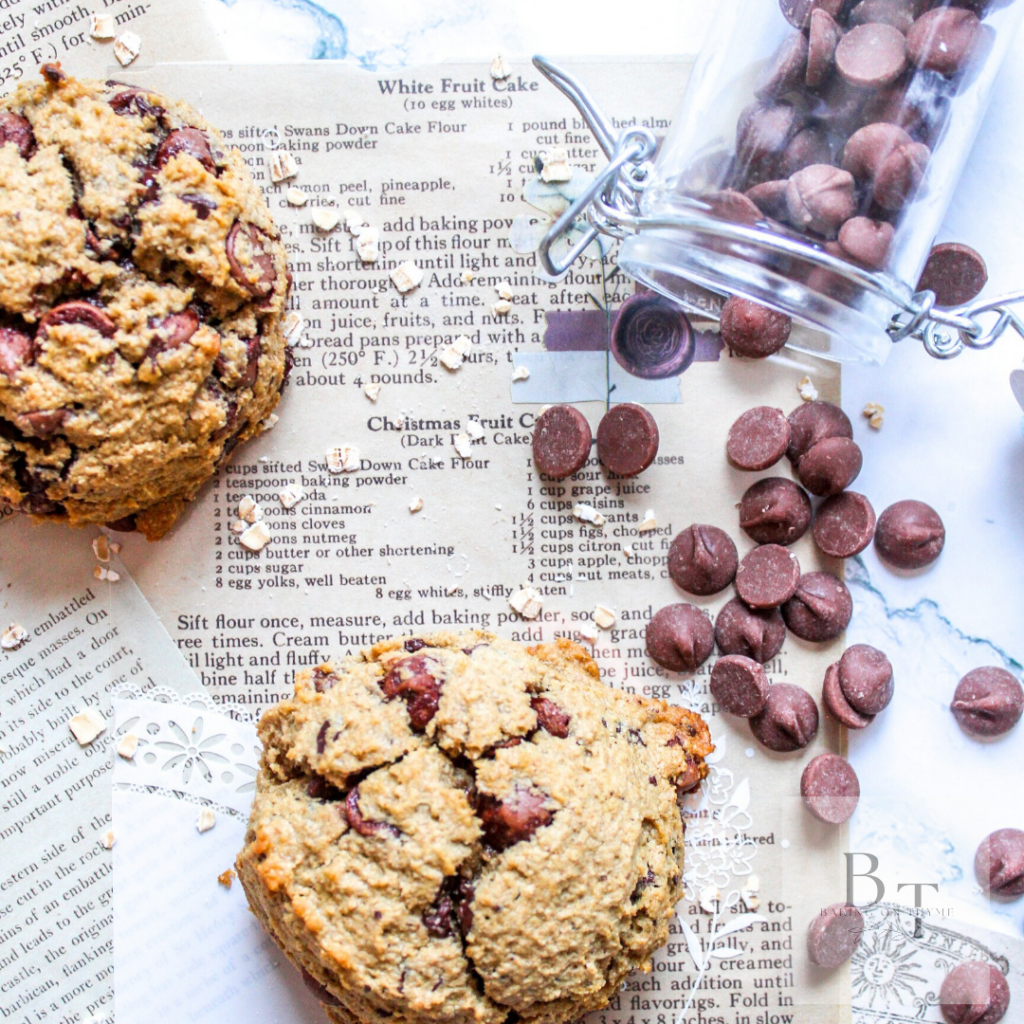
One: Read the Recipe Before You Start
Read the entire recipe from beginning to end before gathering your ingredients. This helps you understand each step and prevents surprises along the way.
Two: Measure Ingredients Carefully
Baking is a science, so accurate measurements matter. Spoon flour into your measuring cup and level it off rather than scooping directly from the bag.

Three: Use Room Temperature Ingredients
Butter, eggs, and dairy often mix more easily when they’re at room temperature, creating a smoother batter and better texture.
P.S. If you enjoy reading my post, don’t forget to subscribe.
Four: Don’t Overmix
Once the flour is added, mix only until the ingredients are combined. Overmixing can make cakes, muffins, and quick breads dense or tough.
Five: Preheat Your Oven
Always allow your oven to reach the correct temperature before placing your baked goods inside.
Six: Check for Doneness
Don’t rely solely on the timer. Use the toothpick test for cakes, look for lightly golden edges on cookies, and tap the bottom of bread for a hollow sound.
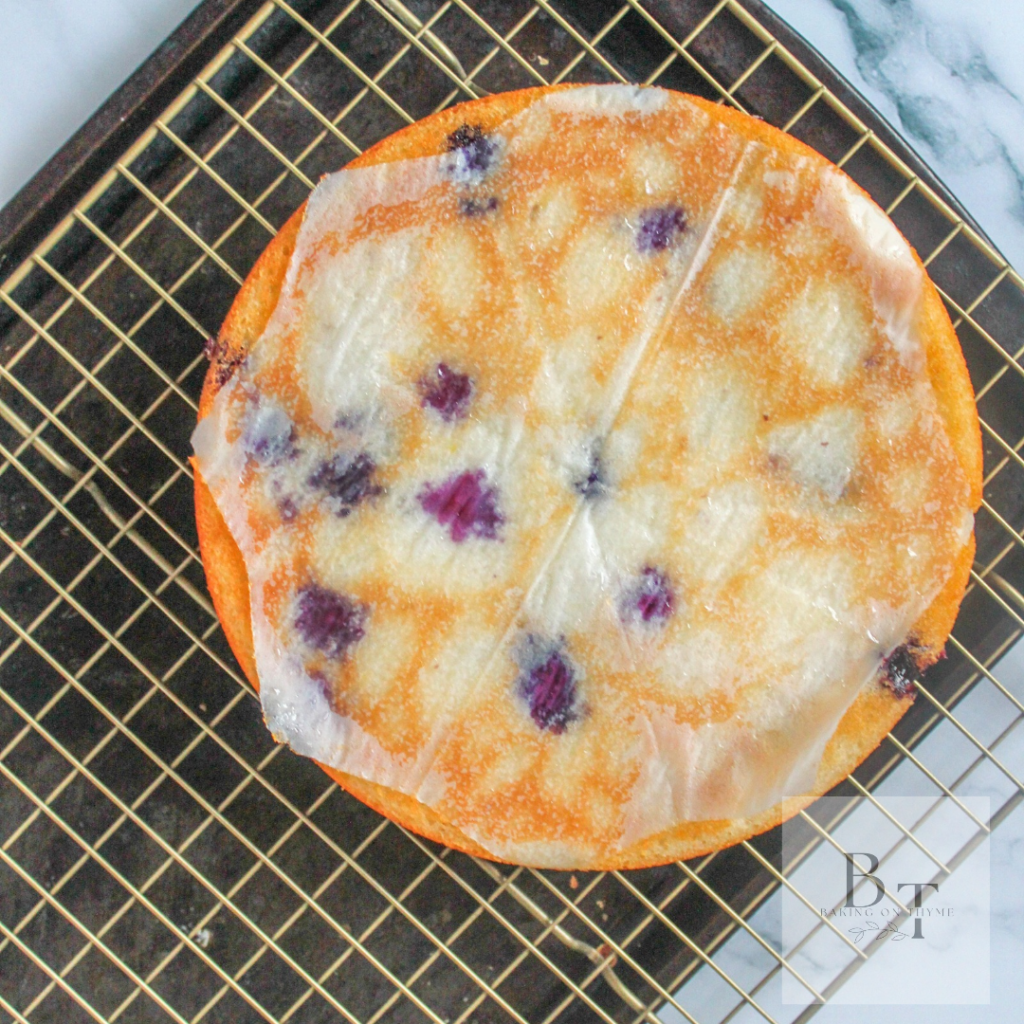
Seven: Let Baked Goods Cool
Many baked goods continue cooking for a few minutes after they’re removed from the oven. Cooling also helps improve texture and makes decorating easier.
Eight: Practice Makes Progress
Every baker has recipes that don’t turn out perfectly. Learn from each bake, and don’t be afraid to try again. The more you bake, the more confident you’ll become.
Easy Recipes to Start With
If you’re just beginning, choose recipes with simple ingredients and straightforward instructions.
Great beginner-friendly recipes include:
These recipes help you build confidence while learning basic baking techniques.
Common Beginner Baking Mistakes:
Avoid these common mistakes:
- Not measuring ingredients accurately.
- Forgetting to preheat the oven.
- Opening the oven door too often.
- Overmixing the batter.
- Using expired baking powder or baking soda.
- Removing baked goods too early.
- Skipping the cooling time.
Even experienced bakers make mistakes from time to time, so don’t get discouraged.
Frequently Asked Questions:
What’s the easiest thing to bake from scratch?
Cookies, muffins, banana bread, and brownies are excellent beginner recipes because they’re simple, forgiving, and require only basic ingredients.
Do I need a stand mixer?
No. Many recipes can be mixed by hand with a whisk, spoon, or spatula. A hand mixer is helpful but not essential.
How much does one cup of flour weigh?
Most recipes use approximately 120 grams (4.25 ounces) for one cup of all-purpose flour, though some recipes may vary slightly.
Why didn’t my cake rise?
Common reasons include expired leavening agents, inaccurate measurements, overmixing, or opening the oven door too early.
Can I substitute ingredients?
Some substitutions work well, while others can change the texture or flavor. Follow the recipe whenever possible, especially when you’re learning.
Was This Post Helpful?
Grab My Digital Kitchen Favorites!
Love easy family meals and growing your own food blog? Check out my affordable digital products designed to make life a little easier!
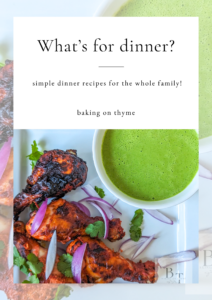
What’s for Dinner? eBook – Only $5
Take the stress out of meal planning with my What’s for Dinner? eBook filled with delicious, family-friendly meal ideas to help answer the age-old question: “What’s for dinner tonight?”
Perfect for:
- Busy families
- Weekly meal planning
- Easy homemade dinners
- Finding fresh meal inspiration
Pinterest Templates – Only $7
Want to create beautiful, eye-catching Pinterest pins without spending hours designing? My ready-to-use Pinterest Templates help you create professional-looking graphics quickly so you can spend more time creating and less time designing.

Perfect for:
- Food bloggers
- Content creators
- Small business owners
- Growing your Pinterest traffic
Affordable. Practical. Made with creators and busy families in mind.
Thank you for supporting my blog—every purchase helps me continue sharing free recipes and kitchen tips!
Final Thoughts:
Baking from scratch is a skill that anyone can learn. With a handful of pantry staples, a few basic tools, and a little patience, you’ll be creating delicious homemade treats that family and friends will love.
Remember, every experienced baker started as a beginner. Don’t worry about perfection—focus on learning, enjoying the process, and celebrating each successful bake. Before long, you’ll be confident enough to tackle everything from cookies and cakes to homemade bread and pastries.
Happy baking, and welcome to the wonderful world of baking from scratch!
Thank you for reading Beginner’s Guide to Baking from Scratch
If you are interested in learning more about baking, have a look at my Ten Baking Tips For New Bakers post or my Ten Common Baking Mistakes
Hopefully, baking brings you joy and happiness as it does for me and my family!
From my kitchen to yours,
Jas.
P.S. Subscribe to my blog to receive notifications whenever I post.
