Different Types of Flour and When to Use Them
In this guide, you’ll learn about the Different Types of Flour and When to Use Them for the best baking results.
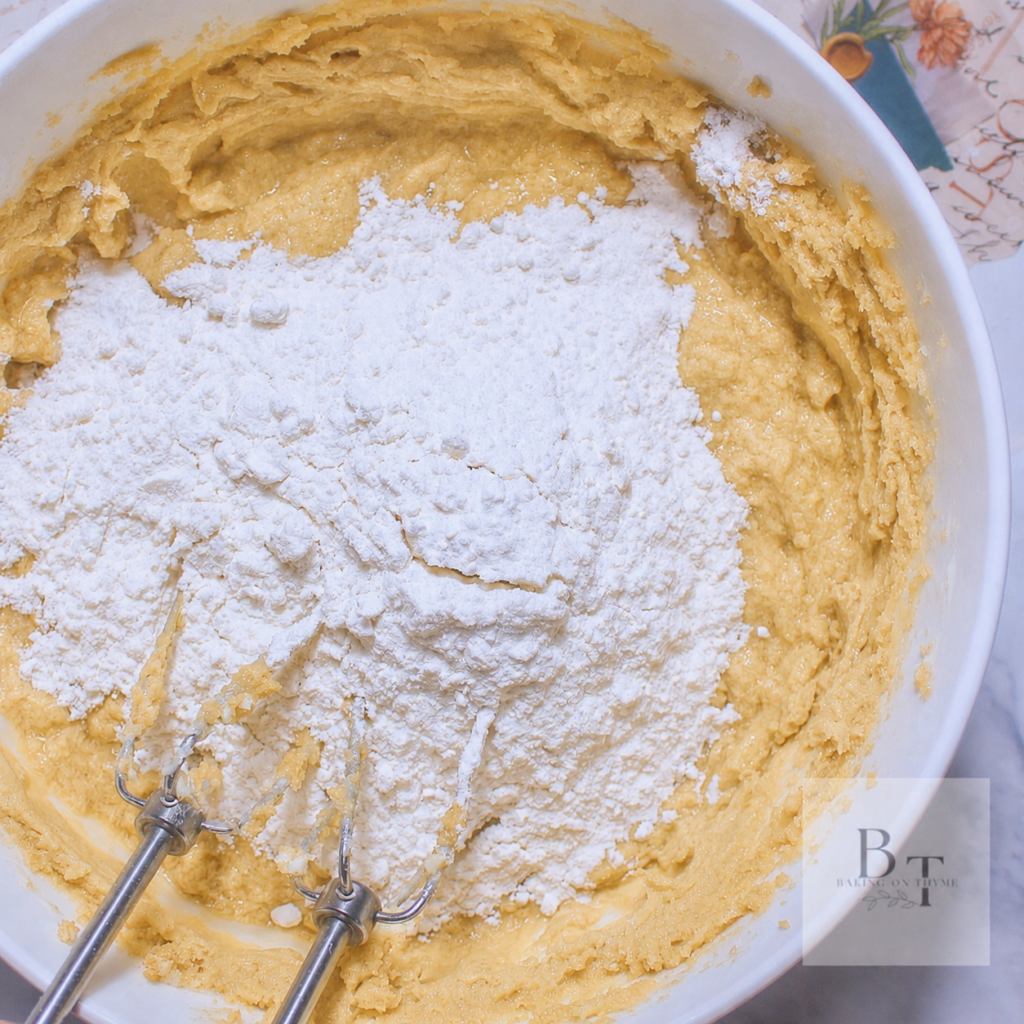
Walk down the baking aisle at any grocery store, and you’ll find shelves filled with different types of flour. From all-purpose and bread flour to cake flour and whole wheat flour, it can be confusing to know which one to choose.
The truth is, each type of flour is designed for a specific purpose. Using the right flour can make the difference between a light, fluffy cake and a dense, chewy loaf of bread.
Why Does Flour Matter?
The biggest difference between flours is their protein content. Protein forms gluten when mixed with liquid, which gives baked goods their structure.
Low-protein flour creates soft, tender baked goods.
High-protein flour creates chewy, sturdy baked goods.
Choosing the right flour helps you achieve the texture your recipe is meant to have.
Below Are 7 Types Of Flour and When to use them:
One: All-Purpose Flour
All-purpose flour is the most versatile flour you’ll find in your pantry. It has a moderate protein content, making it suitable for a wide variety of recipes.
Best For:
Why You’ll Love It: If you only keep one type of flour at home, all-purpose flour is the best choice because it works well in most recipes.
Two: Bread Flour
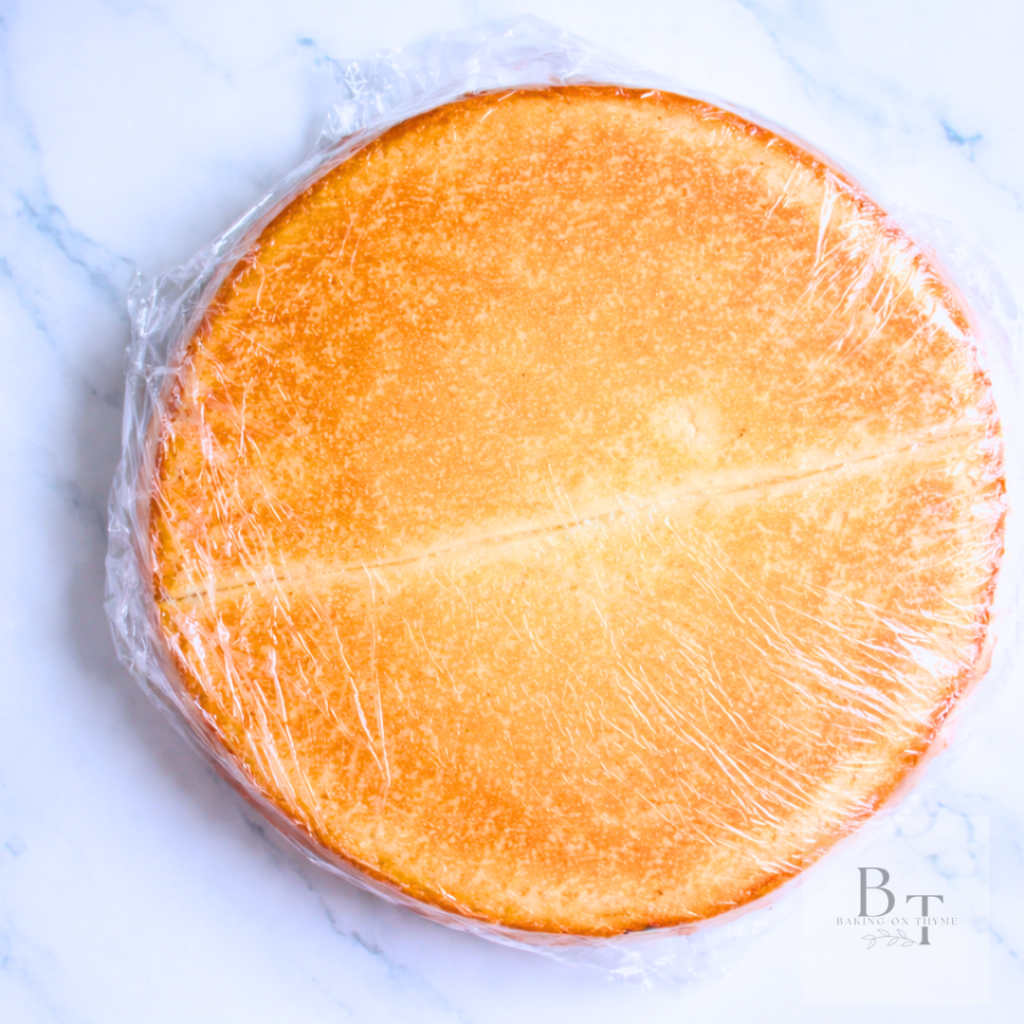
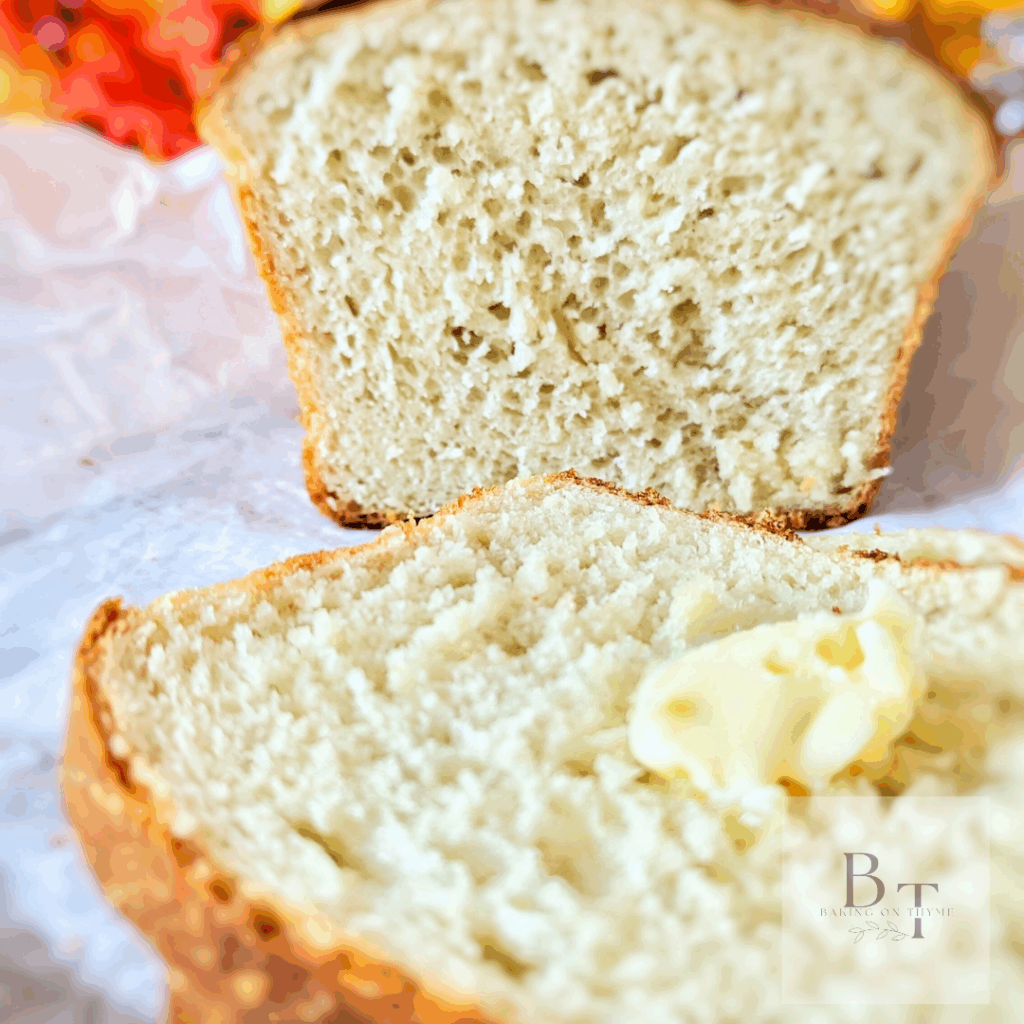
Bread flour contains more protein than all-purpose flour, creating stronger gluten development. This gives bread its chewy texture and helps it rise higher.
Best For:
Why You’ll Love It: Bread flour creates stronger, stretchier dough and produces bakery-style loaves with excellent texture.
Three: Cake Flour
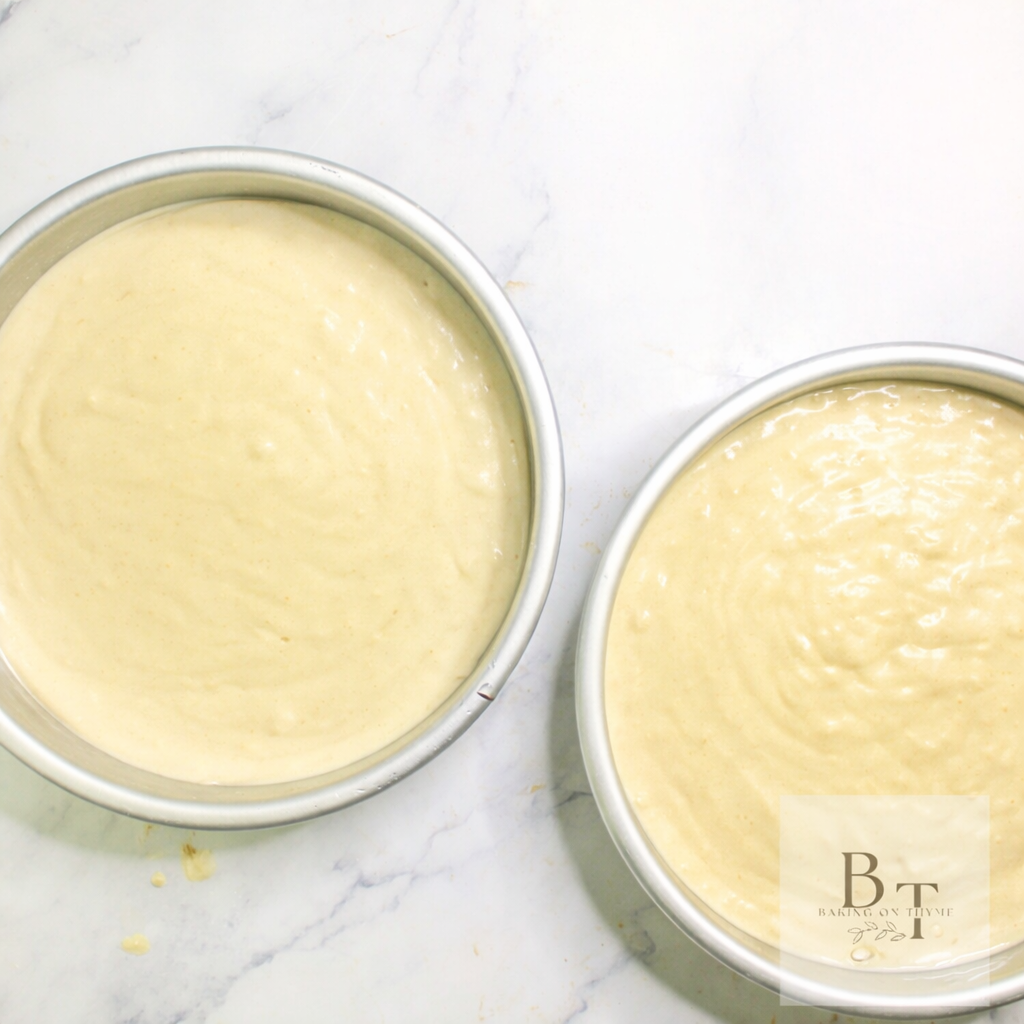
Cake flour is finely milled and has the lowest protein content of common wheat flours.
Best For:
Why You’ll Love It: It creates soft, light, and delicate cakes with a fine crumb.
Four: Pastry Flour
Pastry flour falls between cake flour and all-purpose flour in protein content.
Best For:
Why You’ll Love It: It produces tender baked goods without being as delicate as cake flour.
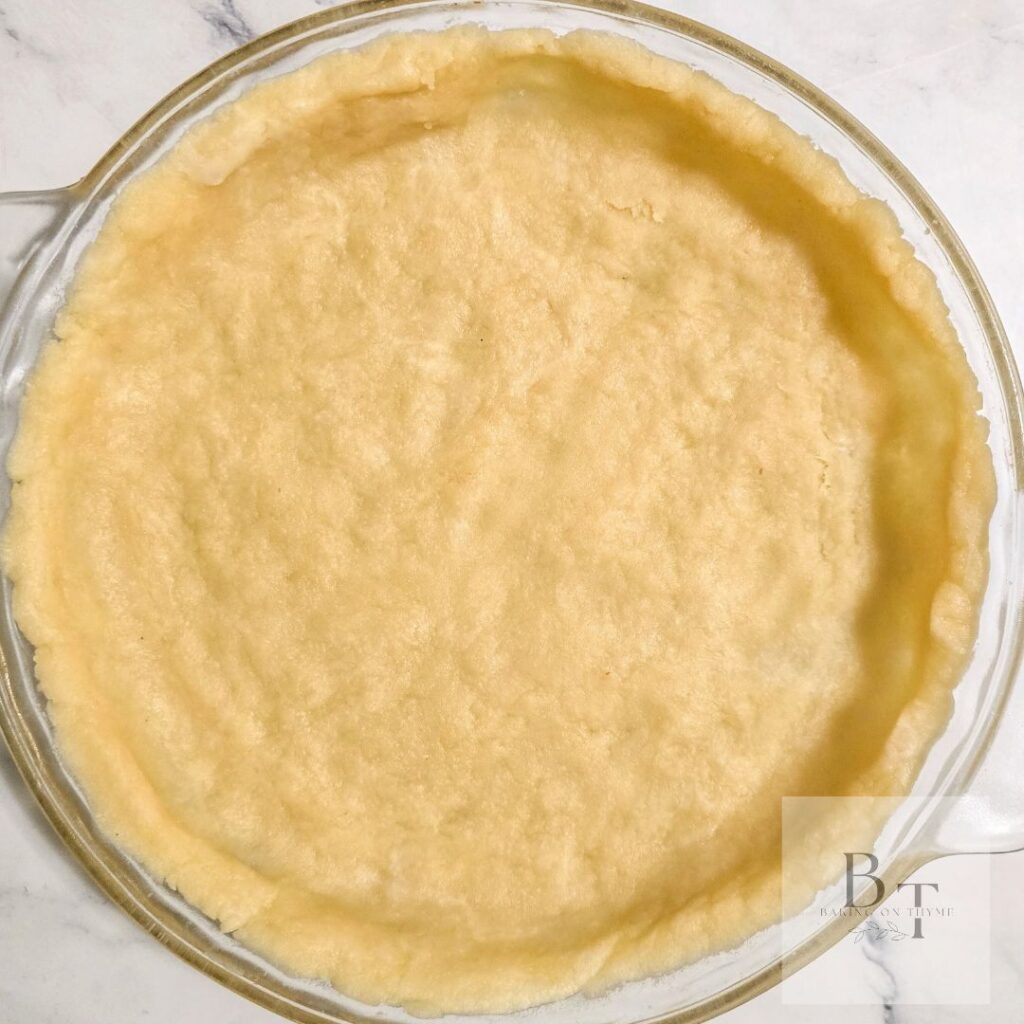
Five: Whole Wheat Flour
Whole wheat flour contains the bran, germ, and endosperm of the wheat kernel, making it more nutritious than refined white flour.
Best For:
Why You’ll Love It: It adds a hearty texture, nutty flavor, and extra fiber to baked goods.
Tip: Many recipes work well using half all-purpose flour and half whole wheat flour for a lighter texture
P.S. If you enjoy reading my post, don’t forget to subscribe.
Six: Self-Rising Flour
Self-rising flour already contains baking powder and salt.
Best For:
Why You’ll Love It: It’s convenient because the leavening ingredients are already mixed in.
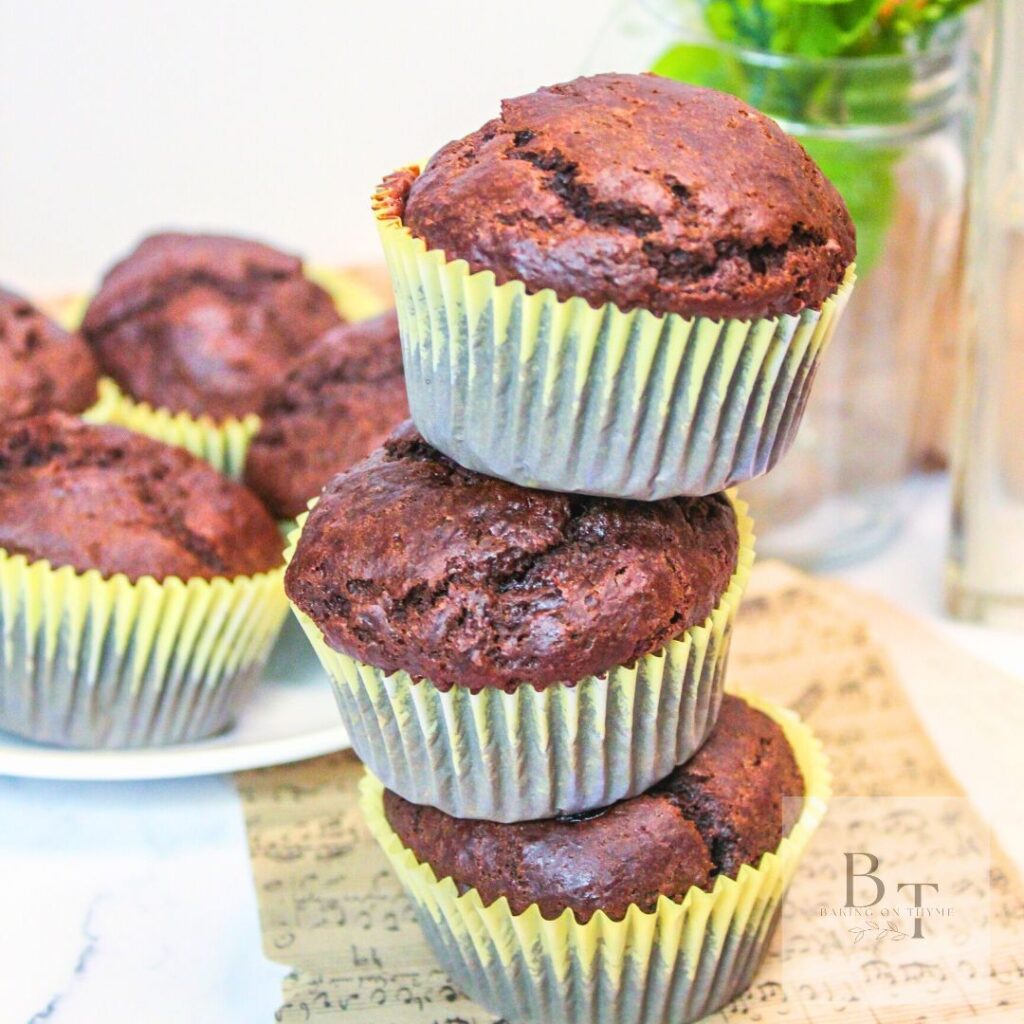
Seven: Gluten-Free Flour
Gluten-free flour blends are made from ingredients such as rice flour, potato starch, tapioca starch, and other gluten-free grains.
Best For:
Why You’ll Love It: Most measure-for-measure gluten-free blends can replace all-purpose flour in many recipes.
Can You Substitute One Flour for Another?
Sometimes—but not always
For example:
All-purpose flour can often replace cake flour, but cakes may be slightly denser. Bread flour can replace all-purpose flour in many recipes, though baked goods may be chewier. Whole wheat flour can replace part of the all-purpose flour for added nutrition, but using too much may make baked goods heavier.
Whenever possible, use the flour recommended in the recipe for the best results.
Storage Tips:
To keep flour fresh: Store it in an airtight container. Keep it in a cool, dry place.
Label the container with the purchase date. Whole wheat flour stays fresh longer when refrigerated or frozen because of its natural oils.
Frequently Asked Questions:
Which flour is best for beginners?
All-purpose flour is the best choice because it’s incredibly versatile and works well in most baking recipes.
Why does bread flour make bread chewier?
Its higher protein content creates more gluten, giving bread a stronger structure and chewier texture.
Can I use cake flour for cookies?
Yes, but your cookies will usually be softer and more delicate than those made with all-purpose flour.
Does whole wheat flour change the taste?
Yes. Whole wheat flour has a richer, nuttier flavor and produces a denser texture than white flour.
Was This Post Helpful?
Grab My Digital Kitchen Favorites!
Love easy family meals and growing your own food blog? Check out my affordable digital products designed to make life a little easier!
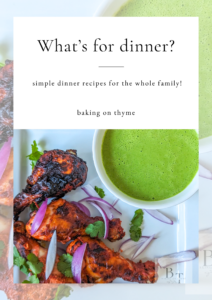
What’s for Dinner? eBook – Only $5
Take the stress out of meal planning with my What’s for Dinner? eBook filled with delicious, family-friendly meal ideas to help answer the age-old question: “What’s for dinner tonight?”
Perfect for:
- Busy families
- Weekly meal planning
- Easy homemade dinners
- Finding fresh meal inspiration
Pinterest Templates – Only $7
Want to create beautiful, eye-catching Pinterest pins without spending hours designing? My ready-to-use Pinterest Templates help you create professional-looking graphics quickly so you can spend more time creating and less time designing.

Perfect for:
- Food bloggers
- Content creators
- Small business owners
- Growing your Pinterest traffic
Affordable. Practical. Made with creators and busy families in mind.
Thank you for supporting my blog—every purchase helps me continue sharing free recipes and kitchen tips!
Final Thoughts:
Understanding the different types of flour can make a big difference in your baking success. While all-purpose flour is perfect for everyday recipes, specialty flours like bread flour, cake flour, and pastry flour are designed to create specific textures and results.
The next time you’re preparing a recipe, take a moment to choose the right flour. That simple decision can help you bake softer cakes, chewier bread, flakier pie crusts, and better homemade treats every time.
Thank you for reading my post today!
If you are interested in learning more about baking, have a look at my Ten Baking Tips For New Bakers post or my How To Make Brown Butter post.
Hopefully, baking brings you joy and happiness as it does for me and my family!
From my kitchen to yours,
Jas.
P.S. Subscribe to my blog to receive notifications whenever I post.
